
What a Thorough Electrical Inspection Actually Covers
Electrical inspections in Evansville for homes with aging panels, hidden wiring faults, or code violations accumulated over decades
Evansville carries a substantial share of housing built before 1970, and those homes were wired under standards that bear little resemblance to what current code requires. JAK Electric provides residential electrical inspections across Evansville, covering the service panel, circuit breakers, outlets, switches, visible wiring, lighting fixtures, and every accessible space where wiring problems accumulate and go undetected—attics, basements, and crawl spaces in particular. Owner-operator JAK personally manages every inspection, which means no detail is delegated and no section of the home is skipped to save time.
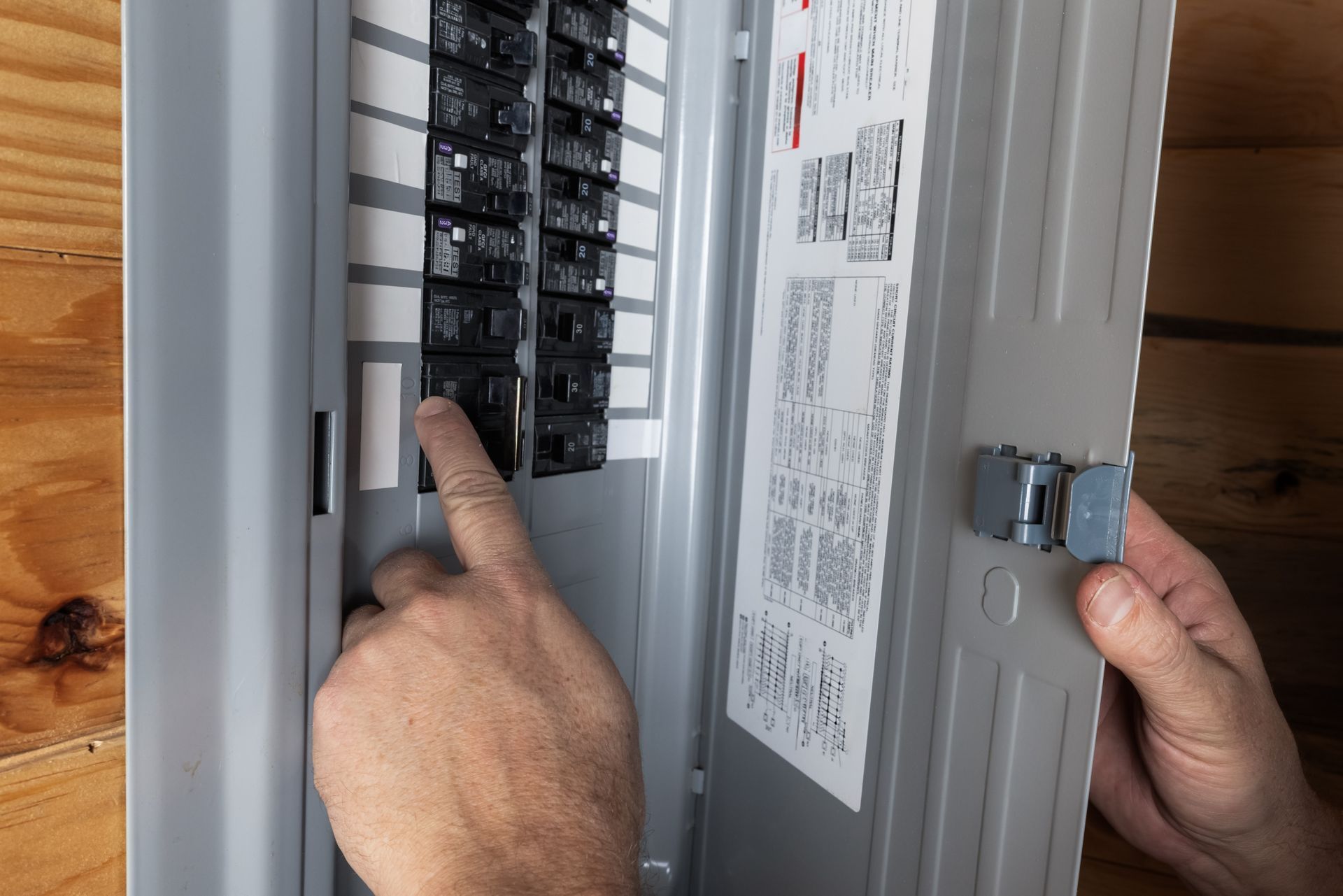
The inspection process begins at the service panel, where breaker condition, circuit labeling, and physical signs of rust or moisture are documented before moving room by room through the home. Accessible concealed spaces receive close attention because deteriorated wiring, improper splices, and rodent damage to insulation tend to appear there first and stay hidden longest. Every outlet and switch is checked for proper grounding, correct wiring, and physical signs of arcing or heat. At the end, you receive a written report that separates immediate safety risks from code violations that can be scheduled for correction—so you know what requires action before anything else and what can be addressed over time.
Schedule a home electrical inspection with JAK Electric to get a documented record of what your system contains and where attention is needed.
How the Inspection Report Separates Risk from Routine
A useful electrical inspection report does more than list observations—it ranks them. JAK Electric documents each finding with enough detail to distinguish a code violation that presents immediate fire or shock risk from one that reflects outdated standards but poses no acute danger. That distinction matters when you are deciding how quickly to act, budgeting for repairs, or negotiating the terms of a home purchase. Panels showing rust streaking around breakers, for example, indicate moisture intrusion that can cause arcing over time, and that finding gets classified differently than a missing cover plate on an outlet box.
After the inspection is complete, the areas that prompted the most findings are typically the older accessible spaces—crawl spaces and unfinished basements in pre-1970 homes where original wiring has never been touched and where cloth-wrapped insulation has become brittle over decades. What you will notice in the final report is that findings in those areas are often the most consequential, because the wiring there feeds circuits throughout the rest of the house. Correcting problems at their source eliminates downstream issues that would otherwise be traced back one outlet at a time.
The inspection also documents grounding conditions throughout the home, which matters particularly in older properties where two-prong ungrounded outlets remain in service—a condition that affects whether modern equipment operates safely or simply appears to function while remaining unprotected.
Common Questions About the Inspection Process
Homeowners preparing for an inspection, or receiving one for the first time as part of a purchase, often have specific questions about what the process involves and what the findings mean.
What does an electrical inspector actually check inside the service panel?
The panel inspection covers breaker condition, signs of overheating at breaker terminals, evidence of rust or moisture, whether circuits are properly labeled, and whether the panel's amperage rating matches the home's actual load demand—factors that older panels in Evansville frequently fail.
How are attics and crawl spaces checked during a residential electrical inspection?
Accessible attic and crawl space areas are walked or entered where safe to do so, with wiring examined for damaged insulation, improper junction boxes, open splices, and any signs of rodent activity that has compromised the wire jacket.
What makes an electrical inspection report useful versus one that just lists observations?
A useful report categorizes findings by severity, distinguishes immediate hazards from deferred code corrections, and provides enough location detail that a repair electrician can find and address each item without re-inspecting the home.
Why do pre-purchase electrical inspections sometimes find issues that a general home inspector missed?
General home inspectors assess electrical systems visually at a surface level and are not required to enter service panels or evaluate wiring in concealed spaces with the same depth a licensed electrician applies; the findings differ in scope and technical specificity.
What should you do with the inspection report once you receive it?
Review the immediate-risk findings first and schedule those repairs before other work; the remaining code violations can be prioritized by location and circuit impact, starting with any that affect kitchens, bathrooms, or the main panel.
JAK Electric also performs electrical inspections in Princeton, Newburgh, Henderson, Mount Vernon, and Boonville. If your home has never had a formal electrical review, or if you are preparing to buy or sell a property, contact JAK Electric at (812) 647-1480 to arrange an inspection and get a clear picture of what your system currently contains.