
Fixture Replacements That Start With What Is Behind the Wall
Light fixture replacement in Evansville for homes where aging boxes, deteriorated wiring, or missing grounds make a straight swap a safety risk
Evansville's housing stock includes a substantial share of homes built before 1970, and in those properties, a fixture replacement is rarely as simple as disconnecting the old and connecting the new. Fixture boxes from that era were often not rated for the weight of modern fixtures, grounding was frequently absent, and wiring insulation has had five or more decades to dry out and crack at connection points. JAK Electric replaces worn, failing, or outdated light fixtures in Evansville homes with a process that assesses box condition, wiring integrity, and grounding before any new fixture is mounted—because skipping that step in a pre-1970 home does not save time; it defers a problem that gets more expensive when it shows up later as a failure or a fire.
The work follows a defined sequence: the existing box is inspected for cracks or inadequate mounting, wiring is checked for deterioration and proper gauge, and grounding is verified. If the box needs to be replaced with a fan-rated or heavier-duty version for the planned fixture, that happens before the fixture arrives. Only once the infrastructure behind the fixture location is confirmed or corrected does the new fixture get installed and connected. JAK Electric has managed electrical work across both residential and commercial properties, including ongoing maintenance contracts that require the same methodical approach at scale.
Set up a fixture assessment with JAK Electric to review the condition of your existing boxes and wiring before selecting replacement fixtures.
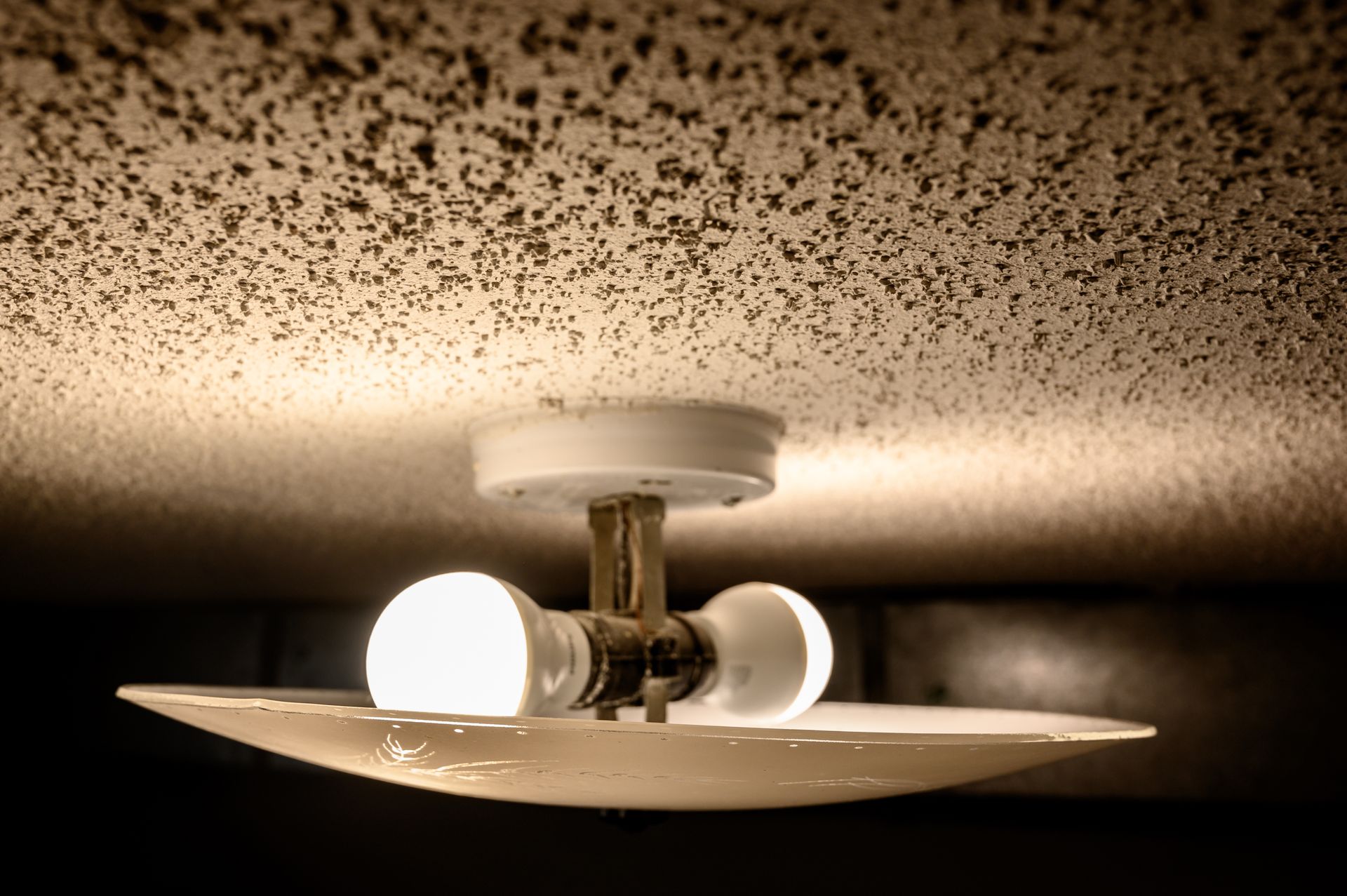
What Proper Fixture Replacement Requires at Each Location
The fixture itself is the last thing that goes in, not the first thing that gets attention. At each replacement location, the process starts with turning off the circuit at the panel and verifying power is absent before anything is touched. The existing fixture comes down, and the box is physically inspected—not just visually from below. Cracked plastic boxes, boxes mounted to a single nail rather than a brace, and octagonal metal boxes that lack a grounding screw are all conditions that require correction before a new fixture can be safely hung.
Once the new fixture is installed and connections are made with properly sized wire nuts on matching gauge wire, the circuit is energized and the fixture is tested at the switch. What the homeowner notices at that point is specific: the fixture sits flush without gap at the canopy, operates without flicker at full power, and the switch controls it cleanly without delay. Fixtures that were flickering or failing before replacement because of loose connections rather than bulb failure will stop exhibiting those symptoms when the connection points behind the box are addressed during the process.
Not every fixture location will have the same set of issues—some boxes are in good condition and only the fixture itself needs replacement, while others require a full box swap and wiring repair before the new fixture can go in. JAK Electric identifies which situation applies at each location during the assessment, so the scope of work is clear before installation begins rather than discovered mid-job.
Common Questions About This Service
These questions address how fixture replacement work is scoped and performed, including what conditions in Evansville's older housing stock affect the process at each fixture location.
How do you determine whether a fixture box needs to be replaced before a new fixture goes up?
The box is inspected for physical damage, mounting integrity, and weight rating—a standard outlet box is not rated for fixture weight, and a box mounted with a single nail rather than a bar brace cannot safely support certain fixture types; both conditions require a box replacement before the new fixture is installed.
What does missing grounding at a fixture location mean for replacement work?
Missing grounding at the fixture box means the replacement fixture cannot be connected to a ground wire even if the fixture requires one; JAK Electric addresses this by running a ground wire back to the panel or installing a GFCI-protected circuit at that location depending on what the code path allows.
Why do pre-1970 Evansville homes require more preparation before fixture replacement than newer construction?
Homes built before 1970 were wired under older codes that did not require grounding at fixture boxes, used wire insulation materials that degrade differently than modern insulation, and often used fixture boxes sized for lighter fixtures than what homeowners now want to install—each condition has to be evaluated and corrected as part of the replacement process.
How is the load at a fixture location checked during replacement?
The circuit feeding the fixture is identified at the panel, and the breaker rating is compared against the total load that circuit carries; if a new fixture draws more than what the original circuit was designed to serve, or if other fixtures on the same circuit are already at capacity, that is addressed before the new fixture is connected.
What should a correctly replaced fixture look like when the work is finished?
The canopy sits flush against the ceiling with no visible gap, the fixture operates at full output without flicker when switched on, the switch controls the fixture cleanly, and there are no warm or discolored areas around the canopy that would indicate a loose or overloaded connection behind the box.
JAK Electric also performs light fixture replacement in Princeton, Newburgh, Henderson, Mount Vernon, and Boonville. Call (812) 647-1480 to discuss the fixture locations you need addressed and arrange an assessment of the existing boxes and wiring at those points.