
Security Wiring Done Without Shortcuts or Exposed Runs
Security system installation in Evansville for homes and businesses where loose wiring, false trips, and unprotected sensors are already causing problems
A security system is only as reliable as its wiring, and a system installed without routing wire through walls or protecting connections from corrosion will generate false alarms, missed signals, and eventual failures at the sensor level. JAK Electric installs professionally wired security systems for homes and businesses across Evansville, running cable through walls and conduit to keep it out of sight and out of reach. The difference between a finished installation and a patched-together one is visible the moment you look at how the wires travel from sensor to panel.
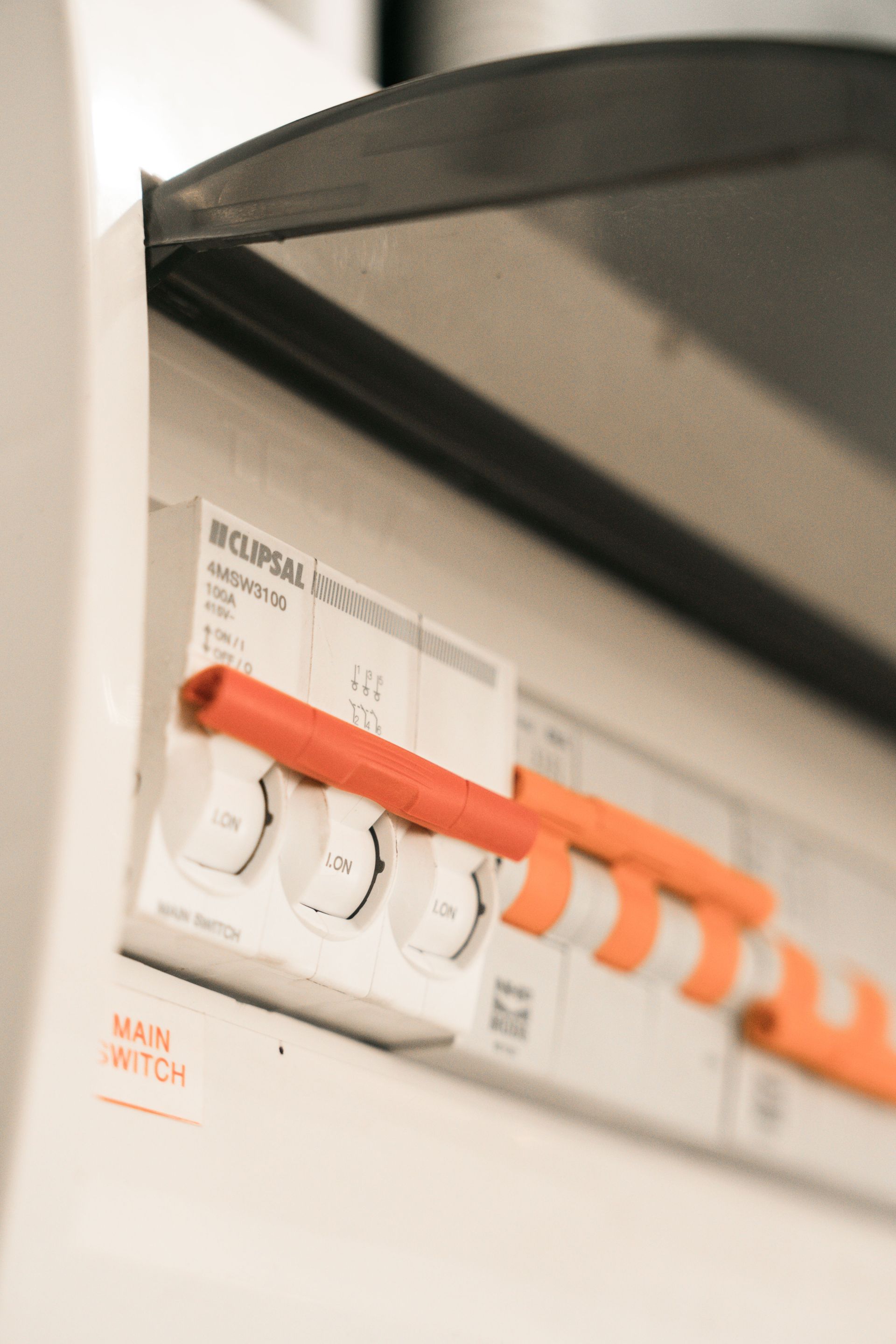
Installation begins with planning the wire routes—identifying how cable will travel through walls, around framing, and into conduit where surface runs are unavoidable—before a single hole is drilled. Door and window sensors are connected with solid, corrosion-resistant wire terminated for continuity, and every connection is tested before the system is programmed. The final step integrates the entire system into your home's electrical supply with proper breaker protection, so the panel draws clean power and does not share a circuit that could cause interference.
Arrange a walkthrough of your property so JAK Electric can map sensor locations and plan wire routes before the installation begins.
Why the Wiring Method Determines Long-Term Reliability
Most false alarm problems in residential security systems trace back to the termination points, not the sensors themselves. Connections made with the wrong gauge wire, left without strain relief, or routed near high-voltage lines pick up interference that registers as activity at the panel. JAK Electric routes low-voltage security cable away from electrical circuits deliberately, and each termination is checked for continuity with a meter before programming begins—so what you have after installation is a system with a verified signal path, not one tested by waiting to see if it trips.
After installation, doors and windows register correctly on the first open and close, sensors do not float in and out of contact, and the control panel shows a clean zone map with no unexplained faults. The wiring itself is invisible inside walls and protected where it transitions between spaces, which also means it is not vulnerable to being snagged, cut, or degraded by contact with other materials over time.
Because JAK Electric operates as a solo practice with over 20 years in the electrical trades, every security installation is managed personally from the route plan through final testing—nothing is handed off to a subcontractor unfamiliar with the original wiring decisions. That continuity matters when sensors need to be added later or the system needs to be expanded, because the person who ran the original cable knows exactly where it is and how it was terminated.
What Property Owners Ask About the Work
The following questions address how security system installation actually works—what gets done, in what order, and what separates a clean installation from one that causes ongoing problems.
How are wire routes planned before installation starts?
Routes are mapped by identifying where cable needs to travel between each sensor and the control panel, then determining whether it can run through existing wall cavities, along framing paths, or through conduit—planning this before drilling prevents routes that are exposed or impossible to extend later.
What type of wire is used for door and window sensor connections?
Solid, corrosion-resistant wire sized for the sensor's signal requirements is used at each contact point, because stranded wire connections at sensor terminals are prone to loosening over time and generating intermittent faults.
Why does breaker protection matter for the security panel's power supply?
Without a dedicated breaker, the control panel can share a circuit with appliances that cause voltage fluctuations, which shortens the panel's power supply lifespan and can cause the system to reset unexpectedly.
How do you verify that each sensor connection is working before programming?
Each run is tested with a continuity meter to confirm the signal path is uninterrupted from sensor to panel, which catches loose terminations or cable damage before the system is configured—rather than discovering them through a false alarm after the fact.
What is involved in integrating a security system with an existing electrical service in an older Evansville home?
Older homes often have limited breaker space or panel configurations that require a dedicated circuit to be added, which JAK Electric assesses during the planning phase so the integration is built into the installation rather than addressed as a surprise during the job.
JAK Electric also installs security systems in Princeton, Newburgh, Henderson, Mount Vernon, and Boonville. To discuss your property's layout and sensor requirements, call JAK Electric at (812) 647-1480 to set up a planning visit.