
Replacing High-Draw Fixtures With Systems Built to Last
LED lighting installation in Evansville for homes and businesses with aging fixtures or circuits not designed for current brightness standards
Switching from high-draw incandescent or fluorescent fixtures to LED systems cuts the amperage those circuits carry, but the installation has to be done correctly for that reduction to mean anything. JAK Electric installs LED lighting throughout Evansville homes and businesses, and every installation begins with an inspection of the existing fixture box, wiring condition, and circuit load—not because it is a formality, but because many Evansville-area homes have older wiring that was never designed for today's brightness expectations and the layered fixture layouts that go with them. Installing LED fixtures on circuits with deteriorated insulation or missing grounds removes the efficiency benefit and adds a safety problem.
The installation sequence follows a defined order: wiring and grounding are addressed first if either needs attention, then LED fixtures are mounted to properly rated boxes and connected to correctly gauged wire. Before the job is considered complete, dimmer compatibility is confirmed—because not all LED fixtures respond correctly to standard dimmer switches, and a flicker or hum after installation signals a mismatch that needs to be resolved at the switch, not the fixture. JAK Electric manages every step of this personally, without subcontracting or delegating to a helper.
Request a fixture and circuit assessment from JAK Electric to determine what your current wiring can support and what LED installation approach fits your home's specific layout.
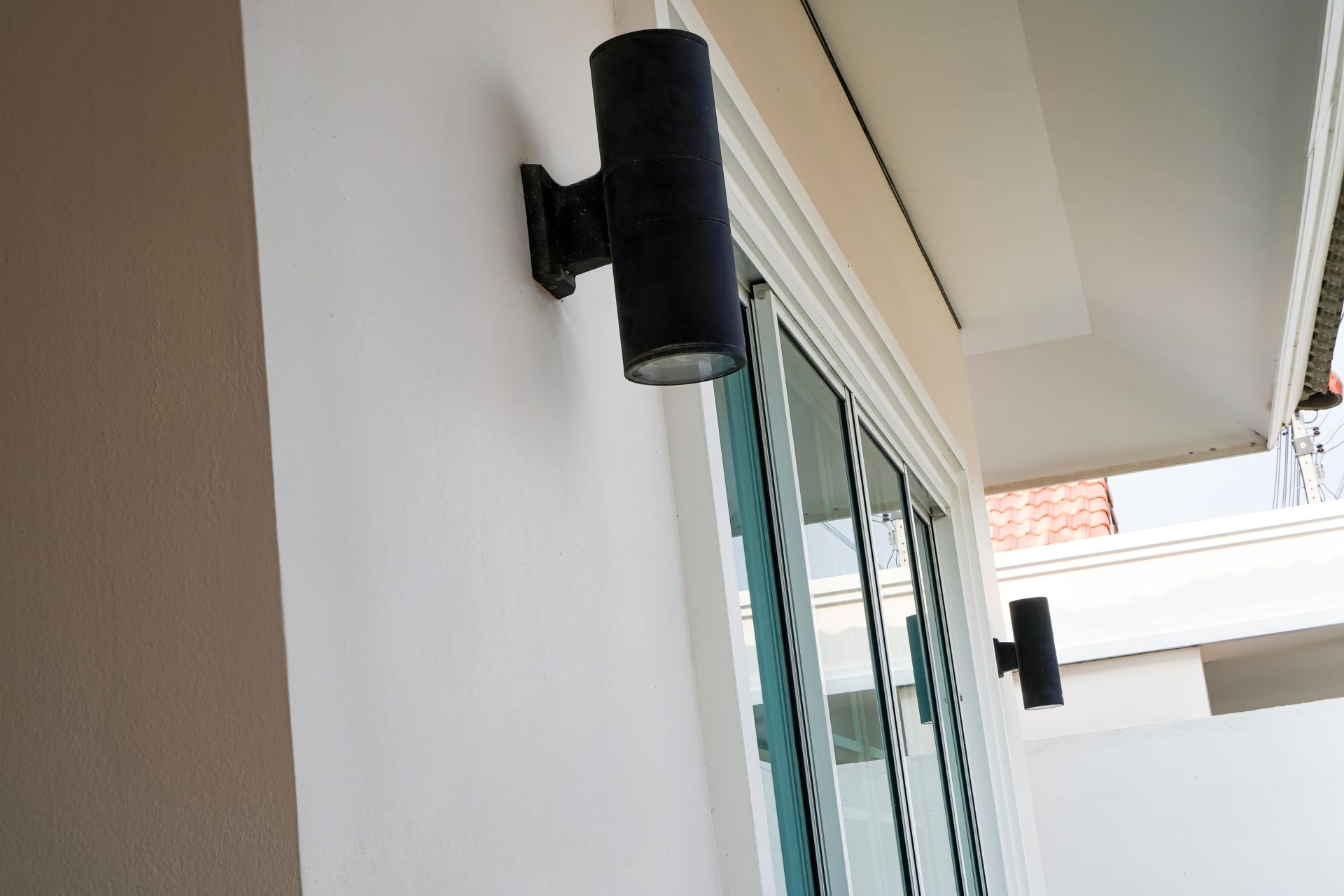
Why the Circuit Assessment Comes Before the Fixture Selection
LED fixtures draw significantly less current than the incandescent or fluorescent fixtures they replace, but that reduced draw does not eliminate the need to evaluate the circuit they run on. Older wiring with oxidized connections, undersized wire, or absent grounding can cause LED fixtures to behave erratically—flickering, failing prematurely, or triggering breakers—even though the fixture itself is functioning normally. JAK Electric's process addresses those conditions before installation so the LED system operates as designed from the first day it is energized.
After installation, the changes are specific and measurable: fixture locations that previously ran warm to the touch from incandescent heat will run cool, light output will be consistent across the brightness range the fixture is rated for, and the circuit will carry a lower load than it did before—which shows up as a reduction in energy use that compounds across every fixture on that circuit. Rooms with recessed cans that previously dimmed unevenly will hold consistent output once dimmer compatibility is confirmed and set correctly.
LED installation also involves decisions about color temperature—the difference between 2700K (warm, amber-toned) and 4000K (neutral, closer to daylight) changes how a room reads at different times of day. JAK Electric covers these considerations during the assessment so fixture selections are made with accurate information rather than packaging descriptions alone.
Answers About How the Work Is Done
These questions address the practical specifics of LED lighting installation, including how the work is scoped for different fixture types and wiring conditions found in Evansville properties.
What happens if existing wiring is not compatible with LED fixtures?
If the inspection reveals deteriorated insulation, missing grounding, or connections that cannot carry the load reliably, those issues are corrected before the LED fixture is installed—mounting a new fixture on compromised wiring negates the safety benefit of the upgrade and shortens the fixture's usable life.
How is dimmer compatibility determined before installation is finalized?
Dimmer compatibility is confirmed by checking both the fixture's rated dimmer range and the switch type already installed; where a standard dimmer is not compatible with the selected LED fixture, JAK Electric installs a rated LED-compatible dimmer as part of the job rather than leaving the mismatch for the homeowner to troubleshoot later.
Why do some LED fixtures in older homes flicker even after installation?
Flickering in older homes typically traces to one of three causes: a dimmer mismatch, a loose connection at the fixture box that was present before installation, or a wiring condition that was not visible until the fixture was energized—all of which are identified and addressed when the circuit is properly assessed before installation begins.
What does a completed LED installation look like compared to what was there before?
Fixtures run cooler at the ceiling, light output is steady across the full brightness range without the warm-up delay that older fluorescent fixtures required, and rooms previously lit unevenly by older incandescent layouts show consistent output from every fixture location.
How does the construction era of a home in Evansville affect how LED installation is approached?
Homes built before 1970 in Evansville are more likely to have 14-gauge wiring on circuits that serve more fixture locations than were originally planned, and some may lack grounding at fixture boxes—conditions that require correction as part of the LED installation rather than after the fact when problems surface.
JAK Electric also installs
LED lighting in Henderson, Princeton, Newburgh, Mount Vernon, and Boonville. Call (812) 647-1480 to set up an assessment and
discuss which fixture types and circuit conditions apply to your property.